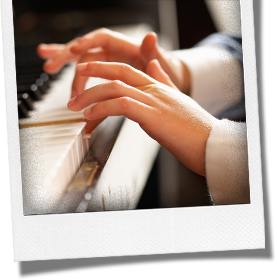
Essential Questions for Piano Parents
1. Understanding the Role of a Piano Parent
Parents play a vital role in their child's piano education, working alongside the teacher to support the student's musical journey. Your involvement extends to overseeing home practice, encouraging participation in studio events, fostering a positive attitude toward music, and maintaining open communication with both your child and the teacher. Such engagement helps to prevent potential challenges within the parent-teacher-student dynamic.2. Responding to a Loss of Interest
If your child seems to lose interest in piano lessons, early communication with the teacher can make a significant difference. Parents can help by noticing signs of waning enthusiasm and sharing these with the teacher as soon as possible. At home, your support and encouragement are key to keeping frustration at bay and reinforcing the importance of regular lessons. Teaching perseverance and celebrating “gritty” behavior helps children appreciate the value of commitment.3. Setting Expectations for the Year
Each student begins the academic year with individual long-term goals. The teacher welcomes ongoing discussions about these objectives, offering clarity about what to expect in terms of learning progress, daily practice, and both monthly and yearly achievements. Parents are encouraged to ask questions and seek updates at any time, and the teacher will provide regular feedback and maintain a detailed progress log for each student.4. Choosing an Appropriate Home Instrument
Selecting the right piano for home practice is crucial for your child’s progress. While there are various options available, the choice often depends on your commitment to your child’s music education. A functioning acoustic piano is ideal after one year of lessons, though a weighted-key electronic piano with pedals can be suitable in some cases. If your current instrument is hindering technical development, it may be time to invest in a better piano, which can appreciate in value over time.5. The Value of Piano Lessons
Understanding the broader benefits of piano lessons can help parents fully support their child’s musical education. The positive academic, social, and emotional effects of piano study are well-documented and often shared through studio resources and online platforms. Recognizing piano lessons as a privilege underscores the lifelong value that music brings to every student.